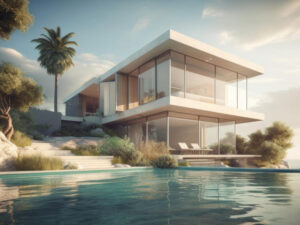

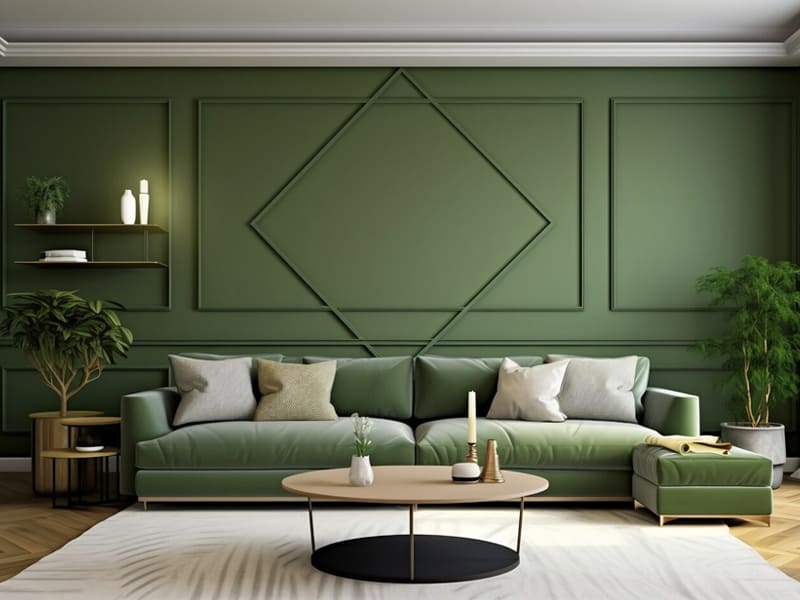
Contemporary interior design is all about creating spaces that are elegant, functional, and adaptable to modern lifestyles. Characterized by clean lines, open layouts, neutral color palettes, and thoughtfully curated décor, contemporary interiors offer a perfect balance between comfort and sophistication.
Whether you’re designing a new home or renovating an existing space, understanding contemporary interior design principles can help you create a home that feels modern, welcoming, and timeless.
What is Contemporary Interior Design?
Contemporary interior design reflects current design trends while emphasizing simplicity, functionality, and visual harmony. Unlike traditional styles that follow established design rules, contemporary interiors evolve over time and incorporate modern innovations, materials, and technologies.
Key characteristics include:
- Clean architectural lines
- Open and airy spaces
- Minimal clutter
- Neutral color schemes
- Functional furniture
- Natural light
- Modern materials and finishes
The result is a home that feels spacious, organized, and effortlessly stylish.
Why Choose Contemporary Interior Design?
Contemporary interiors offer several advantages for modern homeowners.
Benefits Include
- Improved space utilization
- Enhanced natural lighting
- Timeless aesthetic appeal
- Greater functionality
- Easy maintenance
- Better integration of technology
- Flexible design adaptability
This design style works equally well for apartments, villas, and independent homes.
1. Embrace Open-Concept Living
Open floor plans remain one of the defining features of contemporary homes.
Combining spaces such as:
- Living room
- Dining area
- Kitchen
- Family lounge
creates a seamless flow that enhances interaction and makes the home feel larger.
Design Tips
- Use furniture to define zones.
- Maintain consistent flooring throughout the space.
- Choose a cohesive color palette.
2. Use Neutral Color Palettes
Contemporary interiors often rely on neutral tones to create a calm and sophisticated atmosphere.
Popular colors include:
- White
- Beige
- Grey
- Taupe
- Soft earth tones
Accent colors can be introduced through furniture, artwork, cushions, and decorative accessories.
3. Maximize Natural Light
Natural light is a fundamental element of contemporary design.
Consider incorporating:
- Large windows
- Sliding glass doors
- Skylights
- Glass partitions
These features brighten interiors while creating a stronger connection with outdoor spaces.
4. Invest in Functional Furniture
Furniture in contemporary homes should combine aesthetics with practicality.
Look for:
- Clean silhouettes
- Multi-functional pieces
- Modular furniture
- Hidden storage solutions
- Comfortable seating
Every furniture piece should contribute to both form and function.
5. Create Statement Living Rooms
The living room often serves as the focal point of a contemporary home.
Popular design elements include:
- Feature walls
- Designer lighting
- Contemporary artwork
- Minimalist furniture
- Textured finishes
A well-designed living room creates a welcoming atmosphere for family and guests.
6. Design a Modern Kitchen
Contemporary kitchens prioritize efficiency, organization, and visual appeal.
Trending Features
- Handleless cabinetry
- Quartz countertops
- Built-in appliances
- Kitchen islands
- Smart storage solutions
A clutter-free kitchen enhances functionality and complements the overall design aesthetic.
7. Incorporate Smart Home Features
Technology plays a significant role in contemporary living.
Popular smart home integrations include:
- Automated lighting
- Smart thermostats
- Voice-controlled systems
- Security automation
- Motorized curtains
These features improve convenience, energy efficiency, and home security.
8. Focus on Bedroom Comfort
Contemporary bedrooms emphasize relaxation and simplicity.
Essential Design Elements
- Soft neutral colors
- Comfortable bedding
- Ambient lighting
- Minimal décor
- Functional wardrobes
The goal is to create a restful environment that promotes well-being and quality sleep.
9. Upgrade Bathroom Design
Modern bathrooms are increasingly designed as personal wellness spaces.
Popular contemporary bathroom features include:
- Walk-in showers
- Floating vanities
- Frameless glass enclosures
- Premium fixtures
- Natural stone finishes
These elements create a luxurious and spa-like experience.
10. Add Texture and Layering
While contemporary interiors are minimalist, they should never feel cold or sterile.
Introduce warmth through:
- Wood finishes
- Natural fabrics
- Area rugs
- Textured walls
- Decorative accents
Layering materials adds depth and visual interest to the space.
11. Bring Nature Indoors
Biophilic design is becoming an essential component of contemporary interiors.
Ideas include:
- Indoor plants
- Vertical gardens
- Natural materials
- Large windows with outdoor views
- Courtyard-inspired spaces
Connecting with nature enhances mental well-being and improves indoor environments.
12. Use Strategic Lighting Design
Lighting significantly impacts the atmosphere of a home.
A layered lighting approach may include:
- Ambient lighting
- Task lighting
- Accent lighting
- Decorative fixtures
Well-planned lighting enhances both functionality and aesthetics.
13. Create Multi-Functional Spaces
Modern lifestyles demand flexibility in home design.
Examples include:
- Home office corners
- Convertible guest rooms
- Reading nooks
- Study spaces
- Multipurpose family rooms
These adaptable areas maximize usability without increasing square footage.
14. Incorporate Contemporary Materials
Material selection greatly influences the overall appearance of interiors.
Popular choices include:
- Wood veneers
- Glass
- Metal accents
- Quartz surfaces
- Concrete finishes
Combining different materials creates visual contrast and sophistication.
15. Keep Décor Minimal Yet Meaningful
Contemporary design embraces a “less is more” philosophy.
Focus on:
- Quality over quantity
- Curated artwork
- Functional accessories
- Personal touches
- Clean surfaces
Carefully selected décor creates character without cluttering the space.
Common Mistakes to Avoid
When designing contemporary interiors, avoid:
- Overcrowding spaces with furniture
- Excessive decorative elements
- Poor lighting design
- Ignoring storage requirements
- Inconsistent material selection
- Following short-lived trends
Maintaining balance is key to achieving a refined contemporary aesthetic.
Benefits of Professional Interior Design Services
Working with experienced interior designers can help you:
- Optimize space planning
- Select suitable materials
- Create cohesive designs
- Manage budgets effectively
- Improve functionality
- Achieve a premium finish
Professional expertise ensures every design element works together harmoniously.
Conclusion
Contemporary interior design combines beauty, comfort, and practicality to create homes that suit modern lifestyles. From open layouts and neutral color palettes to smart technology and biophilic design, contemporary interiors focus on enhancing everyday living while maintaining timeless appeal.
Whether you’re designing a compact apartment, an independent home, or a luxury villa, these contemporary interior design ideas can help transform your space into a stylish, functional, and inviting environment that stands the test of time.